What to know
- Map plants, sun, shade and irrigation method by zone.
- Test pressure, emitters, valves and leaks before buying a new controller.
- Choose weather-based or soil-moisture control for the actual landscape.
- Set alerts and a human review routine; automation is not a substitute for inspection.
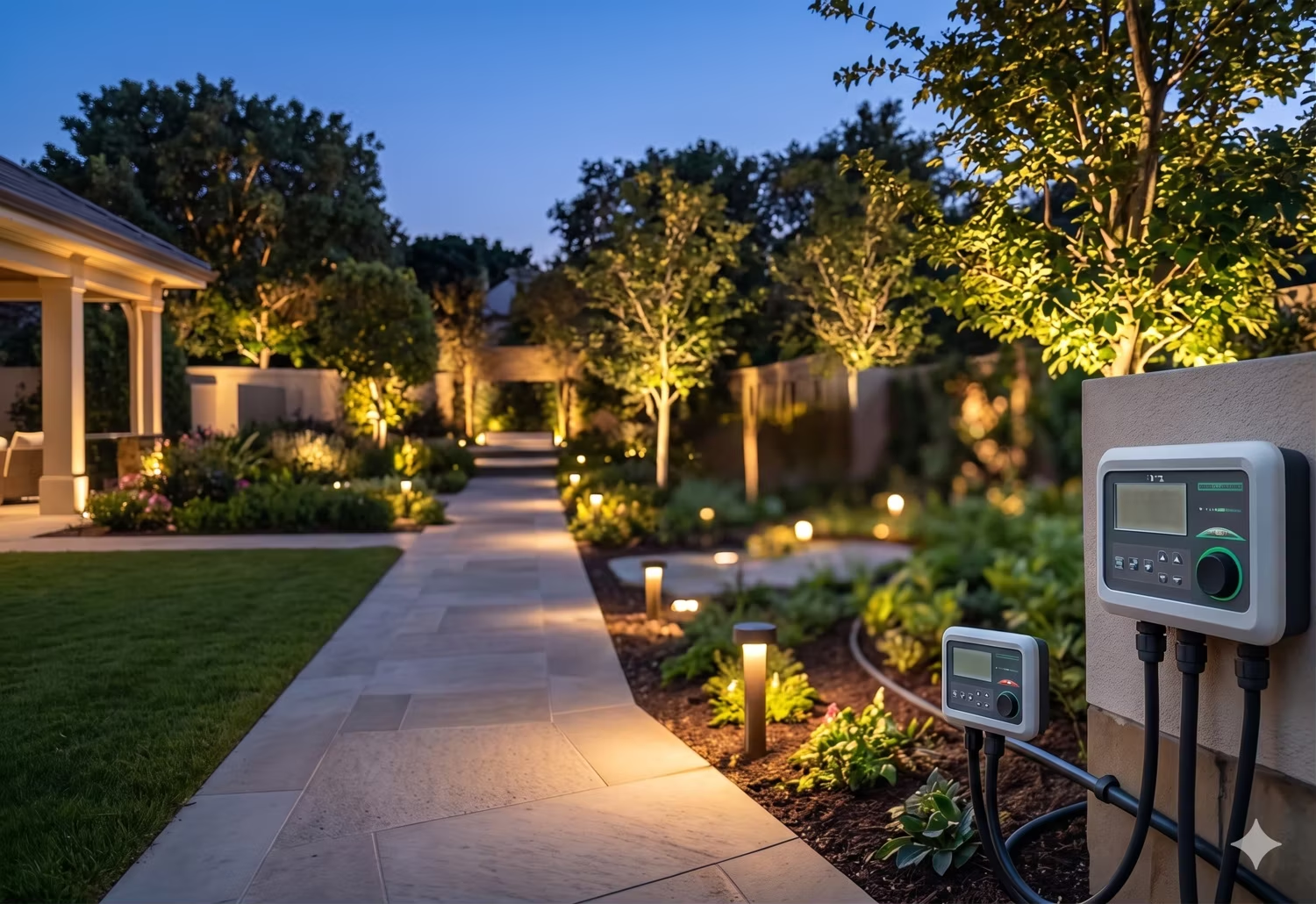
- A smart irrigation controller helps only when the garden's zones, emitters and valves are sound. In a Dubai villa, design for different plant water needs first; then use weather or soil-moisture information and flow alerts to refine scheduling and detect faults.
Quick answer: A smart irrigation controller helps only when the garden’s zones, emitters and valves are sound. In a Dubai villa, design for different plant water needs first; then use weather or soil-moisture information and flow alerts to refine scheduling and detect faults.
A controller cannot make one irrigation zone satisfy a sun-exposed lawn, shaded planting bed and container garden equally well. Those areas have different root volumes and water needs. Start with a site plan showing what each valve waters, then fix overspray, blocked drippers and leaking fittings.
Audit the garden before shopping for a controller
Run each existing zone while someone walks the garden. Mark its valve, the areas it actually waters, dry patches, overspray onto paving and any emitter that fails to deliver water. Compare that map with the planting plan, not merely with the names shown in an app. A valve labelled “front garden” may water a lawn edge, a tree and containers that cannot sensibly share one schedule. Reorganising such a zone can do more for the landscape than adding a connected screen.
Record the irrigation method as well. Drip lines, bubblers and sprinklers deliver water differently; mixing them without a clear design can leave one part under-watered while another is saturated. Ask the installer to check pressure and filtration at representative points, inspect pipe joints and show how the system can be isolated for repair. If the villa has a water-use concern, compare meter readings during a controlled test and after all valves have closed; unexpected continued flow deserves investigation.
A new garden also needs a different review rhythm from an established one. Plants may need closer observation while they settle, and the schedule should be revisited as roots develop and seasons change. Put that review on the handover calendar. “Set and forget” is especially risky when a sensor is installed before the final planting, mulch or soil levels are in place.
What do weather and soil-moisture controls do?
Weather-based controllers adjust schedules using local conditions and landscape settings. Soil-moisture systems use readings from the root zone to prevent watering when the soil does not need it. The US EPA WaterSense controller guide describes both approaches. Its US water-savings estimates are not forecasts for a Dubai villa; installation, zoning, programming and maintenance determine the result.
A weather-based product needs accurate landscape settings. Ask which weather data it uses, how exposed and shaded zones differ in its programming, and who will check its output against what the plants actually show. A soil-moisture sensor answers a different question: what is happening at the measurement point. It should be placed in a representative root zone rather than beside a leaking emitter, in a permanently shaded pocket or at the surface where readings may not represent the rest of the bed.
Neither approach solves a faulty valve. A smart controller can decide not to water, yet a valve that fails to close may continue flowing. Conversely, a broken pipe may prevent a carefully scheduled zone from reaching its plants. Ask the installer to demonstrate a normal cycle, a skipped cycle, manual operation and the response to an equipment fault. The family and gardener should know what “normal” looks like before an alert arrives.
Ask whether the product supports the number of zones you need, what happens if internet access fails, how schedules are backed up and whether a gardener can use manual override without leaving the system permanently in that mode. If sensors are proposed, specify where they will be placed and who will recalibrate or replace them.
Build a usable zone schedule
For each valve, list the planting it serves, irrigation method, general exposure, sensor if any and a named person who can adjust the schedule. Keep trees, turf, beds and containers separate when their needs or delivery methods differ enough to make one programme impractical. If replumbing is outside the budget, note the compromise openly. That allows the owner to decide whether the controller upgrade is worth doing now or after the physical zones are corrected.
Program for observation rather than an arbitrary permanent run time. After a cycle, check whether water reaches the intended root area, whether it runs off a slope, and whether paving stays wet unnecessarily. A short test can reveal a blocked dripper or misplaced head that no app graph will show. Record the starting schedule and the reason for later changes; otherwise successive gardeners may quietly increase watering to hide an underlying fault.
For a renovation, retain a simple manual map near the controller or in the owner’s handover folder. It should identify the valve box as well as the software zone number. The map is useful when the network is unavailable, a phone changes hands or a maintenance team needs to isolate one circuit quickly.
Why add a flow alert?
A flow monitor can flag unexpected water use, but it should lead to a response plan. EPA guidance on leak-detection and flow-monitoring devices explains that unusual flow patterns can indicate a leak or other irregularity. Decide who receives alerts, how quickly they are checked and which valve or supply can be isolated safely. A dashboard nobody watches offers little protection.
Define what the alert means in practice. If flow continues when all zones should be closed, the first step may be to verify the reading and inspect for an obvious leak, then isolate the relevant line if safe. If a scheduled zone shows little or no flow, the response is different: confirm the supply and valve operation before assuming the plants have been watered. Do not promise that one sensor identifies the exact broken pipe; it may only narrow the investigation.
Decide how alerts are handed over when a caretaker leaves or a maintenance contract changes. Use an account the owner controls, document the authorised users, and remove access that is no longer needed. An app tied only to an installer’s personal login can turn a simple schedule change into a support problem. Equally, avoid sharing one password informally with every gardener. The system should be operable and maintainable without relying on a single person’s phone.
What should the installer hand over?
Request an as-built zone map, controller model, valve locations, schedule, sensor locations, flow-alert settings and demonstration. Include a seasonal review of run times and an inspection of each zone for overspray and leaks. WaterSense’s inspection checklist is a useful general model, though watering schedules must be tailored to the Dubai site.
Questions to use when comparing proposals
Ask both contractors to price the same site audit and show which physical faults they will correct. Request a schedule for each zone, any new valve work, sensor placement, flow-monitoring location, internet requirement, training and a post-installation review. Find out whether subscription fees apply, who owns the account and which functions still work offline. A lower controller price may not include the zoning or maintenance that makes the upgrade useful.
At commissioning, have the installer run every zone while the owner or gardener checks the real landscape. Test a manual override, a cancelled cycle and any alert the system can safely demonstrate. Keep screenshots or an export of the starting configuration, but pair them with a physical valve map and equipment labels. Revisit the garden after the first operational period to adjust the schedule based on plant condition, not on the novelty of the app.
Green Earth can coordinate irrigation through its lighting and irrigation service, with planting under villa landscaping and optional integration through smart-home design. For the broader garden plan, see the Dubai villa landscaping guide. Ask for an irrigation review based on your actual zones.
Questions about this topic
What is the key takeaway from Smart Irrigation for Dubai Villa Gardens: Zones, Sensors and Leak Alerts?
Map plants, sun, shade and irrigation method by zone. Test pressure, emitters, valves and leaks before buying a new controller.
What do weather and soil-moisture controls do?
Weather-based controllers adjust schedules using local conditions and landscape settings. Soil-moisture systems use readings from the root zone to prevent watering when the soil does not need it. The US EPA WaterSense controller guide describes both approaches. Its US water-savings estimates are not forecasts for a Dubai villa; installation, zoning, programming and maintenance determine the result. A weather-based product needs accurate landscape...
Why add a flow alert?
A flow monitor can flag unexpected water use, but it should lead to a response plan. EPA guidance on leak-detection and flow-monitoring devices explains that unusual flow patterns can indicate a leak or other irregularity. Decide who receives alerts, how quickly they are checked and which valve or supply can be isolated safely. A dashboard nobody watches offers little protection. Define what...
What should the installer hand over?
Request an as-built zone map, controller model, valve locations, schedule, sensor locations, flow-alert settings and demonstration. Include a seasonal review of run times and an inspection of each zone for overspray and leaks. WaterSense's inspection checklist is a useful general model, though watering schedules must be tailored to the Dubai site.